Card Game Competitions sets the stage for this enthralling narrative, offering readers a glimpse into a story that is rich in detail with simple but touching style and brimming with originality from the outset.
From the intense battles of strategy to the mental fortitude required, card game competitions provide a platform for players to showcase their skills and passion for the game. Let’s delve into the exciting realm of competitive card gaming and uncover the secrets to success in this exhilarating arena.
Introduction to Card Game Competitions
Card game competitions have gained widespread popularity globally, attracting participants and spectators alike with their competitive and strategic gameplay.
Types of Card Games
Various types of card games are commonly played in competitive settings, including:
- Poker: A classic game involving skill, strategy, and luck, with different variations like Texas Hold’em and Omaha.
- Bridge: A highly strategic game that requires teamwork and communication between partners.
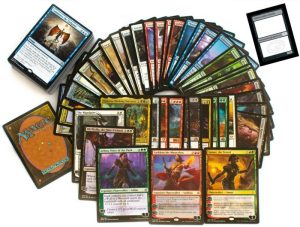
- Magic: The Gathering: A collectible card game that combines elements of strategy, skill, and deck-building.
- Hearthstone: An online card game based on the Warcraft universe, known for its digital gameplay and frequent updates.
Reasons for Participation
People participate in card game competitions for various reasons, such as:
- The thrill of competition and the opportunity to test their skills against other players.
- The social aspect of playing card games with friends or meeting like-minded individuals at tournaments.
- The chance to win prizes, recognition, and prestige within the gaming community.
Preparation for Card Game Competitions
Success in card game competitions requires a combination of essential skills, strategic thinking, and consistent practice.
Essential Skills for Success
- Understanding the rules of the game thoroughly
- Quick decision-making abilities
- Effective communication with teammates (if applicable)
- Analytical thinking and problem-solving skills
- Ability to adapt to different playing styles
Importance of Strategy Development and Adaptation
Strategy development is crucial in card game competitions as it allows players to anticipate their opponents’ moves, plan their own strategies, and make calculated decisions to gain an advantage. Adapting to changing game conditions and opponent tactics is equally important to stay competitive.
Tips for Effective Practice
- Practice regularly to improve your skills and understanding of the game
- Study strategies used by top players and try to incorporate them into your gameplay
- Participate in practice matches or online tournaments to gain experience and test your skills
- Review your gameplay to identify areas for improvement and work on them consistently
Rules and Regulations
In card game competitions, following standard rules and regulations is crucial to ensure fair play and consistency across different events.
Standard Rules and Formats
- Players must adhere to the specific rules of the card game being played, such as Poker, Bridge, or Magic: The Gathering.
- Tournaments may have different formats like single-elimination, Swiss system, or round-robin, determining how players advance or are eliminated.
- Rules regarding gameplay, player conduct, time limits, and scoring are typically Artikeld by the organizing body or the game’s official rulebook.
Impact of Rule Variations
- Even minor rule variations can significantly impact gameplay and strategies, requiring players to adapt and adjust their tactics.
- Changes in rules may favor certain playstyles or strategies, influencing the meta-game and shifting the balance of power among competitors.
- Players need to stay informed about rule variations to stay competitive and maximize their chances of success in card game competitions.
Tournament Structures
In card game competitions, various tournament structures are used to determine the winner. Let’s explore the common formats and discuss their advantages and disadvantages.
Single-Elimination
The single-elimination format is straightforward – players compete in matches, and the loser is eliminated from the tournament. The winner advances to the next round until a champion is crowned.
- Advantages:
- Simple and easy to understand.
- Quick and efficient, with fewer matches.
- Disadvantages:
- One loss can result in elimination, leaving little room for error.
- Does not guarantee the best player wins, as luck can play a significant role.
Double-Elimination
In a double-elimination tournament, players have to lose twice before they are eliminated. This format provides a second chance for players who may have had a bad game.
- Advantages:
- Offers players a fairer chance by allowing for one loss.
- Ensures the most consistent performer wins in the end.
- Disadvantages:
- More matches can lead to longer tournament duration.
- Complexity in tracking the bracket and determining matchups.
Round-Robin
Round-robin tournaments involve every player playing against every other player in the competition. Points are awarded based on wins and ties, and the player with the highest points at the end is declared the winner.
- Advantages:
- Ensures every player competes against each other, providing a comprehensive evaluation.
- Reduces the impact of luck, as players have multiple chances to earn points.
- Disadvantages:
- Can be time-consuming, especially with a large number of players.
- Ties in points may require additional tie-breaker matches.
Skill Development and Improvement
Improving your skills in card games is essential to succeed in competitive play. By continuously honing your abilities, analyzing your gameplay, and addressing weaknesses, you can elevate your performance to the next level.
Continuous Practice and Strategy
Consistent practice is key to developing your skills in card games. Set aside dedicated time each day to play, study strategies, and learn from experienced players. By immersing yourself in the game regularly, you can sharpen your techniques and decision-making abilities.
Analysis and Reflection
Analyzing your gameplay is crucial for improvement. After each match, take the time to reflect on your decisions, strategies, and outcomes. Identify patterns, mistakes, and areas for growth. By learning from your experiences, you can refine your approach and adapt to different situations.
Identifying and Overcoming Weaknesses
Recognizing your weaknesses is the first step towards improvement. Whether it’s a specific strategy, card combination, or aspect of gameplay, pinpoint where you struggle the most. Seek feedback from other players, watch recordings of your matches, and practice targeted exercises to overcome these challenges. By addressing your weaknesses head-on, you can become a more well-rounded and formidable player.
Mental Preparation and Mindset
In card game competitions, mental preparation and mindset play a crucial role in determining success. A strong mindset can help players stay focused, manage stress, and make strategic decisions under pressure.
Importance of Mental Preparation
Mental preparation is essential because it allows players to maintain their composure, think critically, and adapt to changing game situations. It helps in staying calm and making informed decisions, even in high-stress environments.
Techniques for Managing Stress and Maintaining Focus
- Practice deep breathing exercises to stay calm and focused during intense matches.
- Visualize success and positive outcomes to boost confidence and reduce anxiety.
- Take short breaks between matches to relax and reset your mind for the next round.
- Focus on the present moment and avoid dwelling on past mistakes or worrying about future outcomes.
Influence of Strong Mindset on Competitive Outcomes
A strong mindset has the power to turn the tide of a game, leading to unexpected victories and remarkable comebacks. Players who exhibit mental toughness often outperform their competitors, showcasing the importance of mental preparation in card game competitions.
CONSTRUCTION AND MAINTENANCE
Constructing a well-balanced deck and efficiently maintaining card collections are crucial aspects of card game competitions. A well-organized deck can significantly impact gameplay, while proper maintenance ensures longevity and protection of valuable cards.
Importance of a Well-Balanced Deck
Building a deck with a good balance of cards is essential for success in card game competitions. A well-balanced deck increases the chances of drawing the right cards at the right time, enabling strategic plays and countering opponents effectively.
Tips for Maintaining and Organizing Card Collections
- Create a system for sorting cards by type, rarity, or usefulness to easily locate specific cards during deck-building.
- Use protective sleeves to prevent wear and tear, keeping cards in pristine condition for longer periods.
- Regularly check and update your card collection, removing duplicates or cards that are no longer relevant to streamline your collection.
Role of Card Sleeves and Deck Boxes
Card sleeves and deck boxes are essential accessories for preserving cards and maintaining their quality. Card sleeves protect cards from damage due to shuffling, handling, and general wear and tear, while deck boxes provide a secure and organized storage solution for decks and card collections.
Final Summary
As we wrap up this exploration of Card Game Competitions, it’s evident that these events are not just about winning or losing but about the journey of growth and self-improvement. Whether you’re a seasoned player or a newcomer to the scene, the world of competitive card gaming offers endless opportunities for learning and excitement.
FAQ
What are the most popular card games played in competitions?
The most popular card games played in competitions include Magic: The Gathering, Yu-Gi-Oh!, Hearthstone, and Poker.
How can I improve my skills for card game competitions?
To improve your skills, focus on practicing regularly, studying different strategies, analyzing your gameplay, and seeking feedback from experienced players.
Are there age restrictions for participating in card game competitions?
Age restrictions vary depending on the competition, but many events welcome players of all ages to compete.