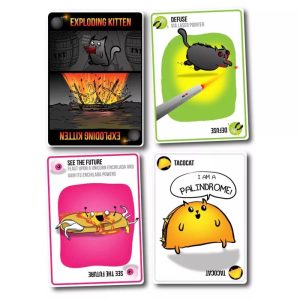
Traditional Card Games sets the stage for this enthralling narrative, offering readers a glimpse into a story that is rich in detail with simple but touching style and brimming with originality from the outset.
Embark on a fascinating exploration of the world of traditional card games, where each shuffle of the deck reveals a unique tale of history and tradition.
Introduction to Traditional Card Games
Traditional card games have been a part of cultures worldwide for centuries, offering entertainment, social interaction, and mental stimulation. These games hold a significant cultural value, often passed down through generations, reflecting the traditions and values of different societies.
Popular traditional card games from various regions include:
Europe
- Bridge
- Poker
- Solitaire
Asia
- Mahjong
- Tien Gow
- Seep
North America
- Go Fish
- War
- Old Maid
Throughout history, traditional card games have evolved from simple pastimes to complex strategic challenges. The origins of many card games can be traced back to ancient civilizations, with rules and variations adapting over time to suit different preferences and cultural influences.
Types of Traditional Card Games
Traditional card games can be categorized based on their gameplay mechanics, such as trick-taking, shedding, matching, and more. Understanding the differences between these types of games can help players choose the ones that suit their preferences.
Trick-Taking Games
Trick-taking games are characterized by players playing cards in a series of rounds, with each player playing one card from their hand. The player who plays the highest-ranking card wins the “trick” and leads the next round. Popular examples of trick-taking games include Bridge, Spades, and Hearts.
Shedding Games
Shedding games, on the other hand, involve players trying to get rid of all their cards before their opponents. Players must match cards based on specific rules, such as matching numbers or suits. Games like Crazy Eights, Uno, and Rummy fall into this category.
Strategic Thinking vs. Luck
Some traditional card games require strategic thinking and skill to outsmart opponents, such as Poker, where players must bluff and make calculated decisions. On the other hand, games like War or Go Fish rely more on luck, as the outcome is determined by the cards drawn rather than player decisions.
Rules and Gameplay
When it comes to traditional card games, understanding the rules and gameplay is crucial for enjoying the game and increasing your chances of winning. Each game has its own unique set of rules, strategies, and setup requirements that players must follow to play effectively.
Poker
Poker is a popular traditional card game that involves skill, strategy, and a bit of luck. The basic rules of Poker involve players placing bets based on the strength of their hand, which is determined by the cards they hold. The player with the best hand at the end of the game wins the pot.
- Setup: Poker is typically played with a standard deck of 52 cards. Players are dealt a set number of cards, depending on the variation of Poker being played.
- Strategies: In Poker, players must use a combination of skill and strategy to bluff opponents, calculate odds, and make the best decisions based on their hand. Understanding the different hand rankings and betting patterns is key to winning at Poker.
- Winning: To win at Poker, players must have the best hand at the showdown or force their opponents to fold through strategic betting. Bluffing, reading opponents, and knowing when to fold are essential strategies for success in Poker.
Cultural Significance

Traditional card games hold a special place in the cultural tapestry of societies around the world. These games are more than just a form of entertainment; they are a reflection of the values, beliefs, and traditions of a community. Through generations, these games have been passed down, becoming an integral part of social gatherings and events.
Role in Social Gatherings
Traditional card games play a crucial role in bringing people together in various social settings. Whether it’s a family gathering, a community event, or a festival celebration, card games serve as a means of bonding and creating lasting memories. The friendly competition and camaraderie that arise from playing these games help strengthen relationships and foster a sense of unity among participants.
Cultural Impact
The cultural impact of traditional card games extends beyond mere entertainment. In many societies, these games are deeply intertwined with rituals, customs, and folklore. For example, certain card games may be played during specific holidays or ceremonies, adding a layer of significance to the gameplay. Additionally, the symbols, themes, and rules of these games often reflect the cultural heritage and values of the community in which they are played.
Anecdotes and Stories
Countless anecdotes and stories have been shared about the role of traditional card games in shaping social interactions and preserving cultural traditions. From tales of legendary card players to humorous mishaps during intense game sessions, these stories highlight the enduring popularity and cultural relevance of card games in societies worldwide. Such anecdotes serve as a testament to the timeless appeal and universal appeal of traditional card games.
Variations and Regional Differences
Traditional card games have evolved differently across various countries and regions, influenced by the unique cultures and traditions of each place. These variations bring a diverse range of rules, gameplay styles, and strategies to the table, making each game a reflection of its cultural roots.
European Card Games
European countries like France, Spain, and Germany have their own set of traditional card games that are widely popular in the region. For example, French card games like Belote and Tarot have intricate rules and require strategic thinking, while Spanish games like Mus emphasize bluffing and reading opponents. In Germany, Skat is a beloved card game that involves bidding and trick-taking.
Asian Card Games
In Asia, countries like China, Japan, and India have their own variations of traditional card games. Chinese card games like Mahjong and Pai Gow are skill-based games that require a deep understanding of the game mechanics. Japanese games like Hanafuda are beautifully illustrated and often have unique themes based on nature or seasons. In India, games like Teen Patti and Rummy are popular choices for social gatherings.
American Card Games
American card games like Poker, Bridge, and Hearts have gained worldwide popularity and have their own set of regional variations. Poker, in particular, has numerous variants like Texas Hold’em and Omaha, each with its own rules and strategies. Bridge is a classic card game that requires partnership and communication skills, while Hearts is a trick-taking game that is popular among casual players.
Construction and Maintenance
When it comes to traditional card games, the construction and maintenance of playing cards play a crucial role in preserving these games for future generations. Here are some tips on how to ensure the longevity of your deck of cards.
Constructing a Durable Deck of Playing Cards
- Invest in quality playing cards made from durable materials like plastic-coated paper or plastic.
- Store your cards in a protective case or box to prevent bending or tearing.
- Avoid exposing your cards to extreme temperatures or moisture, as this can damage the cards.
Preserving Traditional Card Games for Future Generations
- Teach younger generations how to play traditional card games to ensure the games are passed down through the family.
- Create a written or digital record of the rules and gameplay of each traditional card game to preserve them for future reference.
- Organize family game nights or community events centered around traditional card games to keep the games alive and encourage participation.
Maintaining the Quality of Cards for Longevity
- Regularly inspect your deck of cards for signs of wear and tear, and replace any damaged cards to maintain the integrity of the set.
- Avoid using sharp objects or excessive force when shuffling or dealing cards to prevent accidental damage.
- Clean your cards with a soft, dry cloth to remove dirt and oils that can accumulate over time and affect the cards’ quality.
Final Thoughts

As we conclude this immersive journey into the realm of Traditional Card Games, we are reminded of the timeless appeal and cultural significance these games hold across different societies and regions.
Expert Answers
How do traditional card games contribute to cultural heritage?
Traditional card games serve as a reflection of cultural values, social interactions, and historical narratives, preserving traditions for future generations.
What is the significance of strategy in traditional card games?
Strategic thinking plays a crucial role in many traditional card games, allowing players to outwit their opponents and showcase their skills.
Are there any specific rituals associated with playing traditional card games?
Some cultures have unique customs or superstitions related to card games, adding an extra layer of intrigue and tradition to the gameplay experience.