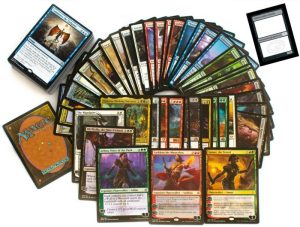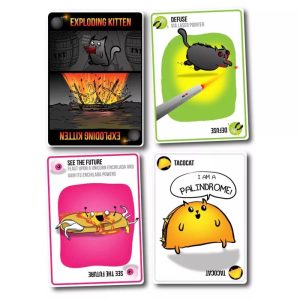
Embark on a journey through the captivating realm of Card Game Variations, where each shuffle of the deck unveils a new adventure filled with excitement and challenge.
From traditional classics to modern innovations, discover the rich tapestry of games that have been shaped by culture, creativity, and technology.
Introduction to Card Game Variations
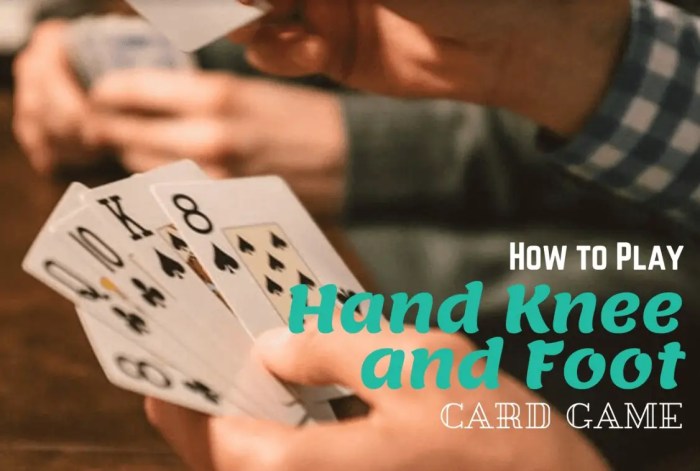
Card game variations refer to the different versions or modifications of traditional card games that have evolved over time. These variations often introduce new rules, twists, or strategies to the original game, providing players with unique and exciting gameplay experiences.
The popularity of card game variations can be attributed to the sense of novelty and challenge they offer. Players who are familiar with the original game are drawn to variations as a way to keep the gameplay fresh and engaging. Additionally, variations often appeal to a broader audience by catering to different skill levels and preferences.
Influence of Culture and Region
The development of card game variations is heavily influenced by the culture and region in which they originate. Different cultures have their own set of customs, beliefs, and social norms that shape the way games are played and enjoyed. As a result, variations of card games can vary significantly depending on where they are played.
Types of Card Game Variations
Card games come in various categories, each with its own set of rules and strategies. Let’s explore some of the main types of card game variations:
Trick-Taking Games
Trick-taking games are popular variations where players compete to win a set number of rounds, or tricks. Examples of trick-taking games include:
- Bridge: A classic game where players bid on the number of tricks they expect to take.
- Spades: A game where players must predict how many tricks they can win each round.
- Hearts: A game where the goal is to avoid taking certain cards to lower your score.
Shedding Games
Shedding games involve players getting rid of their cards as quickly as possible. Examples of shedding games include:
- Uno: Players match cards by number or color to discard their hand.
- Rummy: Players form sets or runs of cards to reduce their hand to zero.
- Crazy Eights: Players play cards matching the previous card or an eight to discard.
Matching Games
Matching games require players to match cards based on specific criteria. Examples of matching games include:
- Memory: Players turn over cards to find matching pairs.
- Go Fish: Players ask opponents for specific cards to make matches.
- Concentration: Players match cards based on their memory and concentration skills.
Innovation in Card Game Design
Card game designers are constantly pushing boundaries to create new and exciting variations that capture players’ attention. This process involves a combination of creativity, originality, and sometimes even the utilization of technology to enhance gameplay experiences.
Creating New Card Game Variations
Designers often draw inspiration from existing games and mechanics, looking for ways to introduce unique twists or mechanics that set their creations apart. This can involve combining elements from different games, introducing new win conditions, or even changing the core gameplay mechanics entirely.
Role of Creativity and Originality
- Creativity plays a crucial role in developing innovative card games, as designers need to think outside the box to create fresh and engaging experiences for players.
- Originality is key to standing out in a saturated market, as players are always looking for something new and exciting to try. Designers who can offer unique gameplay mechanics or themes are more likely to attract a dedicated player base.
- By infusing their creations with creativity and originality, designers can leave a lasting impact on the gaming community and establish themselves as trailblazers in the industry.
Impact of Technology
Technology has played a significant role in the evolution of card game variations, allowing designers to explore new possibilities and enhance gameplay experiences in ways that were previously unimaginable.
From digital platforms that offer immersive visuals and interactive features to augmented reality and virtual reality technologies that blur the lines between the physical and digital worlds, technology has opened up a world of possibilities for designers to experiment with.
Cultural Significance of Card Game Variations
Card game variations hold a significant cultural importance as they reflect the traditions, values, and social norms of different societies. These variations often serve as a way to preserve and pass down cultural heritage through generations.
Reflecting Cultural Traditions and Values
- Card game variations often incorporate elements unique to a particular culture, such as symbols, themes, or historical references.
- Rules and strategies in these variations may be influenced by cultural beliefs and practices, offering players a glimpse into the values of a specific society.
- Through gameplay, individuals can learn more about the customs and rituals of different cultures, fostering cross-cultural understanding and appreciation.
Synonymous with Specific Cultures or Regions
- Some card game variations have become synonymous with certain cultures or regions, becoming an integral part of their identity.
- For example, games like Mahjong in China, Pinochle in the United States, and Tarneeb in the Middle East are deeply ingrained in the cultural fabric of these regions.
- These games are not just forms of entertainment but also serve as a connection to the heritage and history of the people who play them.
Preserving and Passing Down Cultural Heritage
- Card games play a vital role in preserving cultural heritage by providing a platform for storytelling, folklore, and traditions to be shared and celebrated.
- By playing these variations, individuals can engage with their cultural roots, keeping traditions alive and ensuring they are passed down to future generations.
- Through the continued practice of card game variations, cultural knowledge and values are maintained and upheld, contributing to the richness and diversity of global heritage.
Construction and Maintenance
When constructing a new card game variation, it is essential to follow a systematic approach to ensure a well-balanced and engaging game. Here is a step-by-step guide on how to create and maintain a successful card game variation:
Step-by-Step Guide
- Start by defining the core mechanics of the game. Determine the objective, the win conditions, and the basic rules that will shape the gameplay.
- Design the card deck, including the types of cards, their abilities, and how they interact with each other. Make sure to create a diverse and balanced deck to offer strategic depth.
- Create a prototype of the game and playtest it extensively. Gather feedback from playtesters to identify any imbalances, ambiguities, or areas for improvement.
- Refine the game based on playtest feedback. Make adjustments to the rules, card abilities, or game flow to enhance player experience and ensure fairness.
- Once the game is polished, consider the visual design elements such as card layout, artwork, and theme. Aesthetics play a crucial role in attracting players and immersing them in the game world.
Tips for Balancing and Maintenance
- Regularly update the game with new content, such as expansion packs or additional cards, to keep the gameplay fresh and exciting.
- Monitor player feedback and analyze game statistics to identify any issues or trends that may require adjustments. Stay responsive to community needs and preferences.
- Organize tournaments or events to maintain interest and engagement among players. Provide rewards or incentives to encourage participation and competition.
- Engage with the player community through social media, forums, or surveys to gather input and foster a sense of community around the game. Listen to player suggestions and incorporate popular ideas into future updates.
Outcome Summary
As we conclude our exploration of Card Game Variations, we are reminded of the endless possibilities that lie within a deck of cards, offering endless entertainment and cultural insight for generations to come.
Frequently Asked Questions
How do cultural influences impact card game variations?
Cultural influences play a significant role in shaping card game variations, reflecting traditions, values, and unique gameplay styles of different regions.
What makes trick-taking games different from shedding games?
Trick-taking games involve players trying to win a set number of tricks, while shedding games focus on players getting rid of their cards faster than opponents.
How can one create a new card game variation?
To create a new card game variation, start by defining unique rules and mechanics, testing for balance, and ensuring player engagement through strategic gameplay.
Why are card game variations important for preserving cultural heritage?
Card game variations act as a bridge between generations, preserving cultural traditions, values, and gameplay methods that have been passed down through history.