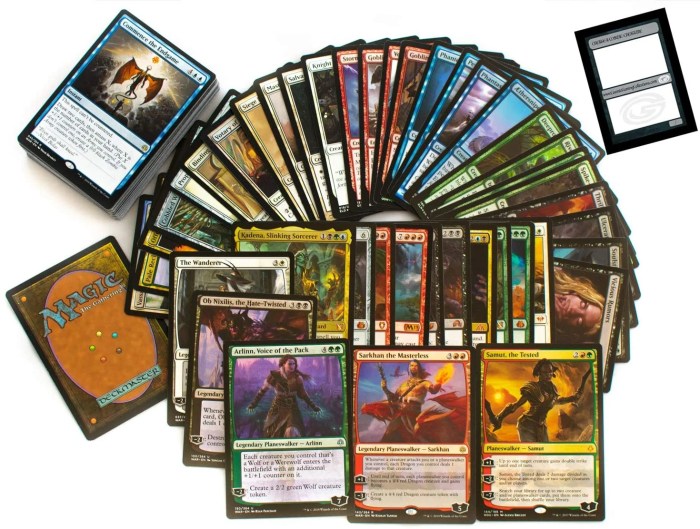
Step into the enchanting realm of Magic the Gathering Cards, where each card holds a tale of strategy, rarity, and value waiting to be explored.
From the diverse types of cards to powerful combos and the art of deck building, this card game offers a world of wonder for players and collectors alike.
Overview of Magic the Gathering Cards
Magic the Gathering Cards are an essential component of the popular trading card game, Magic: The Gathering. These cards represent various spells, creatures, artifacts, and other magical elements that players use to battle each other. Each card has unique abilities, mana costs, and artwork, making them collectible and strategic.
Types of Magic the Gathering Cards
There are several types of Magic the Gathering Cards that players can use in the game:
- Creature Cards: These cards represent creatures that can attack opponents or defend the player.
- Spell Cards: Spells can have various effects, like dealing damage, drawing cards, or countering other spells.
- Artifact Cards: Artifacts are magical objects that can provide various benefits or abilities.
- Land Cards: Lands provide mana, the resource needed to cast spells and play other cards.
Significance of Magic the Gathering Cards
Magic the Gathering Cards play a crucial role in the game, as they are the primary way players interact and strategize. Players must build decks with a combination of different card types to create effective strategies and outsmart their opponents. The unique abilities and mechanics of each card type add depth and complexity to the gameplay, ensuring that no two games are ever the same.
Types of Magic the Gathering Cards
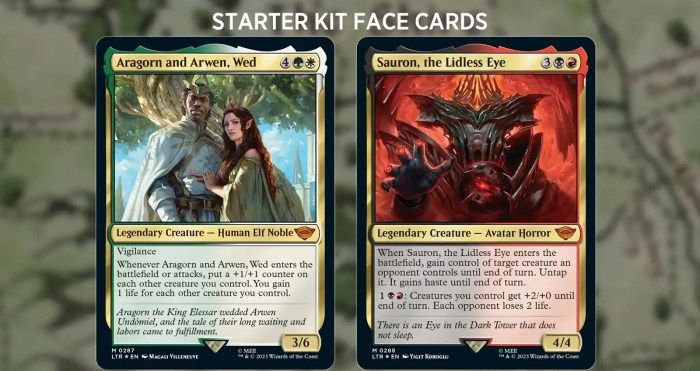
Magic the Gathering Cards come in various types, each serving a specific purpose in gameplay. Understanding the characteristics of each type is crucial for building a well-rounded deck and strategizing effectively.
Creatures
Creatures are the most common type of Magic the Gathering Cards, representing characters, monsters, or beings that can attack and defend. They have power and toughness values, determining their strength in battles. Popular creature cards include “Goblin Guide,” “Tarmogoyf,” and “Snapcaster Mage.”
Spells
Spells are cards that have instant effects on the game, such as dealing damage, drawing cards, or countering other spells. They are essential for controlling the flow of the game and disrupting opponents’ strategies. Notable spell cards include “Lightning Bolt,” “Counterspell,” and “Wrath of God.”
Artifacts
Artifacts are non-creature cards that represent magical or technological items players can use to gain advantages. They can provide mana, boost creatures, or have unique abilities that impact gameplay. Well-known artifact cards include “Sol Ring,” “Sword of Fire and Ice,” and “Aether Vial.”
Lands
Lands are cards that provide mana, the resource needed to cast spells and abilities. They are crucial for enabling players to play their cards and execute their strategies. Different types of lands produce different colors of mana, allowing for diverse deck-building options. Examples of land cards are “Tropical Island,” “Gaea’s Cradle,” and “Wasteland.”
Rarity and Value
Magic the Gathering cards come in different levels of rarity, which greatly impacts their value in the collector’s market. The rarity of a card is determined by the frequency with which it appears in booster packs, with common cards being the most abundant and rare cards being the hardest to find. This rarity system adds an element of excitement and scarcity to collecting Magic cards.
Card Rarity and Value
The rarity of a Magic the Gathering card plays a significant role in determining its value. Generally, the rarer a card is, the more valuable it becomes to collectors and players alike. Rare cards are often more powerful or have unique abilities that make them desirable for competitive play, which further drives up their value in the secondary market.
- Rare cards are typically harder to obtain, making them more sought after by collectors looking to complete their sets or acquire powerful cards for gameplay.
- Mythic rare cards, a subset of rare cards with even lower pull rates, are highly coveted and can command high prices due to their scarcity and power level.
- On the other hand, common cards are more abundant and easier to acquire, which generally translates to lower value in the market.
Collectors often use factors such as card condition, age, and demand within the player community to assess the value of Magic the Gathering cards.
Deck Building and Strategy
Deck building is a crucial aspect of playing Magic the Gathering, as the cards you choose will determine the success of your gameplay. It involves selecting a combination of cards that work well together to create a powerful and cohesive deck.
The Process of Constructing a Magic the Gathering Deck
When constructing a Magic the Gathering deck, it is essential to consider the synergy and balance between your cards. Synergy refers to how well the cards in your deck complement each other, while balance ensures that you have a mix of cards that cover different aspects of the game.
- Choose a theme or strategy for your deck, such as aggro (aggressive), control, or combo.
- Include a mix of cards that support your chosen strategy, including creatures, spells, and other card types.
- Ensure a balance between mana-producing cards and spells to cast to maintain consistency in gameplay.
- Consider the mana curve of your deck, which refers to the distribution of cards based on their mana cost to ensure you can play cards at different points in the game.
Tips for Creating Effective Strategies Based on Card Selection
Creating an effective strategy in Magic the Gathering relies on your card selection and how well you can utilize them during gameplay. Here are some tips to help you build a successful deck:
- Focus on cards that work well together and support your chosen strategy to maximize synergy.
- Include cards that provide card advantage, such as drawing additional cards or gaining resources, to stay ahead of your opponent.
- Consider the meta-game and the types of decks you are likely to face when selecting cards to include in your deck.
- Regularly playtest your deck to identify any weaknesses or areas for improvement, and make adjustments accordingly.
Card Mechanics and Interactions
Magic the Gathering Cards feature a wide range of mechanics that add depth and complexity to gameplay. Understanding these mechanics and how they interact with each other is crucial for mastering the game.Card interactions refer to the way different cards affect each other when played together. Synergies can create powerful combos that can turn the tide of a game in an instant.
By strategically combining cards with complementary abilities, players can gain a significant advantage over their opponents.
Examples of Powerful Card Combos and Synergies
- One classic combo is the “Infinite Mana Combo,” which involves using cards like Basalt Monolith and Rings of Brighthearth to generate infinite mana, allowing players to cast powerful spells without restriction.
- Another powerful synergy is the “Splinter Twin Combo,” which combines the Splinter Twin enchantment with a creature that has an enter-the-battlefield ability, allowing players to create infinite token copies of the creature for a game-winning attack.
- The “Storm Combo” involves playing multiple spells in a single turn to build up a storm count, making the final spell cast extremely powerful and potentially game-ending.
Collecting and Trading
Collecting Magic the Gathering Cards can be a rewarding hobby for players and collectors alike. Whether you are looking to build a powerful deck or simply enjoy the artwork and lore, there are a few tips that can help beginners get started on their collection journey.
Tips for Beginners on Collecting Magic the Gathering Cards
- Start by focusing on a specific set or theme to narrow down your search and make collecting more manageable.
- Consider purchasing booster packs or pre-constructed decks to kickstart your collection and acquire a variety of cards.
- Organize your collection using card sleeves, binders, or storage boxes to keep your cards safe and easily accessible.
- Join local or online trading communities to connect with other collectors and trade cards to expand your collection.
- Research card values and rarities to understand the potential worth of your cards and make informed decisions when trading or selling.
Trading Aspect of the Game
Trading is an integral part of the Magic the Gathering community, allowing players to exchange cards to improve their decks or complete their collections. It impacts card availability by facilitating the circulation of cards among players and collectors, creating a dynamic market for card trading.
Concept of Card Grading and Its Importance
Card grading is the process of evaluating the condition of a card based on factors like centering, corners, edges, and surface wear. It plays a crucial role in the collector’s market by determining the value and authenticity of rare and valuable cards. Professional grading services provide a standardized assessment of card condition, giving collectors confidence in the quality and worth of their cards.
Construction and Maintenance
Building a durable Magic the Gathering deck and properly maintaining your cards is crucial to ensure their longevity and value.
Constructing a Deck
When constructing a Magic the Gathering deck, consider the following steps:
- Choose a theme or strategy for your deck.
- Select cards that complement your chosen theme.
- Include a balanced mix of creatures, spells, and other card types.
- Ensure your deck meets the minimum size requirement.
- Test your deck and make adjustments as needed.
Protecting and Maintaining Cards
It is important to protect and maintain your Magic the Gathering cards to preserve their quality and value. Here are some insights:
- Use card sleeves to prevent wear and tear from shuffling and handling.
- Avoid eating or drinking while handling cards to prevent damage from spills.
- Store cards in a cool, dry place away from direct sunlight and humidity.
- Consider using binders or boxes specifically designed for card storage.
- Regularly check your cards for any signs of damage and replace worn sleeves.
Importance of Proper Storage
Proper storage and handling are essential to maintain the quality and value of your Magic the Gathering cards. Improper storage can lead to damage, fading, or warping of cards. By investing in protective sleeves, storage boxes, and following good handling practices, you can ensure that your cards remain in top condition for years to come.
Closing Notes
As we conclude this journey through the realms of Magic the Gathering Cards, remember that each card is not just a piece of paper but a gateway to endless possibilities and excitement.
FAQ Explained
How do I determine the rarity of a Magic the Gathering card?
The rarity of a card is indicated by the symbol in the bottom center of the card. Common cards have a black symbol, uncommon cards have a silver symbol, rare cards have a gold symbol, and mythic rare cards have a red-orange symbol.
What is the significance of synergy in deck building?
Synergy is crucial in deck building as it ensures that the cards in your deck work well together to create powerful combos and strategies, increasing your chances of winning games.
How can I protect my Magic the Gathering cards?
To protect your cards, consider using card sleeves, binders, and storage boxes to prevent damage from shuffling, handling, and environmental factors. Proper storage and handling can help maintain the quality and value of your collection.